


This is the email I wish I’d read two weeks ago.
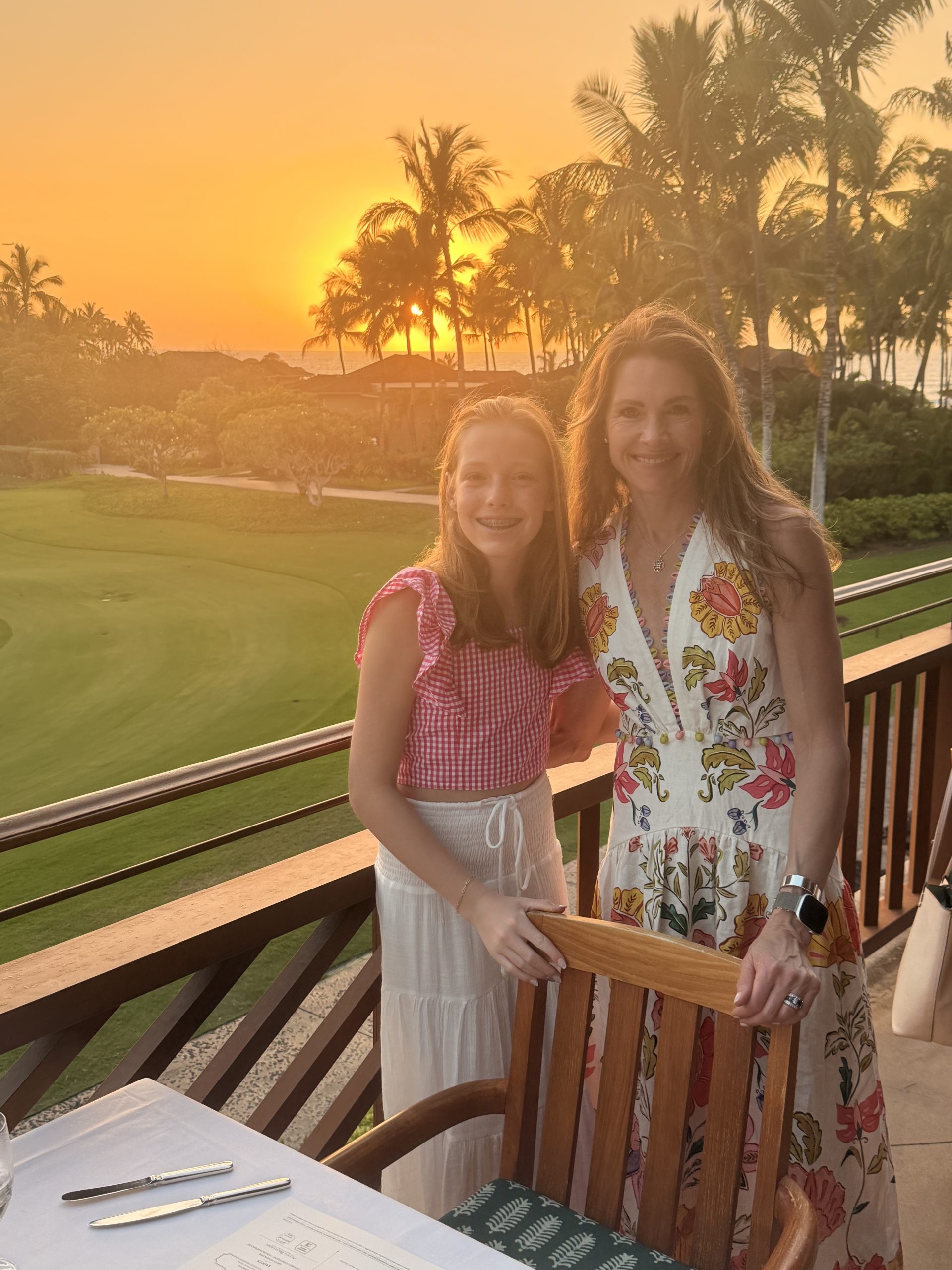
We planned an amazing spring break with my daughter and husband. A trip to a place we had always wanted to take her.
You’d think stepping away would feel like a relief. A break from the pace and the pressure and the constant to-do list. Maybe even the weather… this Atlanta pollen is relentless 🫠 (I say that every year).
And sometimes it does – after the sprint to get out the door. I don’t know about you, but in my house all of the preparation and “tying up loose ends” the week before vacation can feel so intense that you start wondering if staying home would’ve been easier after all.
Sometimes it’s easiest to relax the first few days of vacation. You unplug. You’re present.
And then Monday hits and suddenly your brain is back online:
- Does my team have what they need?
- Did I miss something important?
- Did I do enough to set things up for what’s next?
That doesn’t feel like relief and it doesn’t feel like vacation. It’s a low-grade hum of responsibility you can’t quite turn off.
A few years ago, vacations felt heavier than they should. I took them because my family needed them, but honestly I wasn’t so sure that I did.
I told my team and clients I was out – but I didn’t actually feel gone.
And that’s when it clicked: this wasn’t about the workload, it was about my identity.
When your value is tied, even slightly, to being responsive, needed, in control…
Stepping away doesn’t feel like rest, it feels like a risk.
Does this sound familiar? It’s all too common, especially for high-level leaders.
- Nearly 60% of professionals don’t fully unplug on vacation.
- More than one-third check email daily.
- Research says it often takes 2–3 days just to mentally disengage.
So if you’ve ever come back from time off feeling… not restored, it’s not because you did it wrong.
It’s because your brain never felt safe enough to let go.
The good news is, neuroplasticity tells us our brains are made to learn and adapt. They can restructure and reorganize according to new learning and experience.
So, If you’re in the middle of spring break – or heading into one in the upcoming weeks – here are some practical steps for how to train your brain and make it actually feel like time off:
1. Don’t just set an out-of-office. Set expectations.
Close loops before you leave, do a quick download with your team:
- Who owns what?
- What counts as “urgent”?
- What simply won’t get handled.
Uncertainty keeps your mind working, clarity lets it rest and helps dismiss those intrusive thoughts.
2. Create a place for the thoughts to go.
If and when the work thoughts come, because chances are they will, have a plan.
Do you ever feel like some of your best ideas come on a long walk or in the shower? Our brains are better at imagination and creativity in times of rest.
Make a quick note in your phone, or even better in a journal you’ve brought along (for that specific purpose).
You’re telling your brain: this matters – just not now.
3. Decide and name what your boundaries are in advance.
Not in the moment. Before you leave, name:
- Will I check anything?
- If yes – when, how long, and why?
Be clear and detailed. Vague boundaries are easy to bend and break.
4. Expect some discomfort!
If you’re used to constant motion, slowing down will feel off.
That doesn’t mean something’s wrong. It means your system is adjusting!
Stay with it. The payoff is worth it, I promise.
5. Do something that doesn’t “count.”
Notice what feelings come up for you when you prioritize “unproductive” activities:
- A long walk with no destination
- Listening to your kid explain something in their own way
You’re not just stepping away from work, you’re stepping into a new mindset.

Ultimately, time off isn’t just about getting energy back.
It’s about remembering your value isn’t tied to constant presence in the workplace.
It’s about honoring the other things in your life that matter and also deserve your time and attention.
So, don’t just plan the trip. Plan to be away. Plan the disconnection.
And if that ends up feeling hard, pay attention 😉 there might be something important there to explore.
That’s the real work.