



Leaders love new opportunities. You say yes right away because it feels exciting.
The closer it gets the tension sets in. The opportunity fades and the hard gets closer.
The hard can be all you see.
So when 9 months ago our dear friends invited us on a catamaran trip in Croatia, I thought sure — sounds adventurous and relational — two things I love.
Here are some things I DON’T love: Small spaces. Being out of control. Bedrooms I can’t stand up in. Toilets you have to pump yourself. And leaving a full life in one of the busiest months of the year.
It takes planning. And people who love you and can support your work, life, and kiddo while you’re out.
Resistance to what’s out of your comfort zone of routine and control can be absolutely enormous. It can TRY to flood out the opportunities you actually want, more than what routine and control offer. And we truly hope that the excitement of a yes supersedes the obstacles that want to stand in the way.
This trip was a lot of what I expected and sooooo many things I didn’t. From a comfort perspective — it was totally new and hard. Harder than I imagined it would be. More uncomfortable than I thought I could manage. And I did. Because we do.
That’s how confidence gets built — with evidence that you can push through things you didn’t think you could.
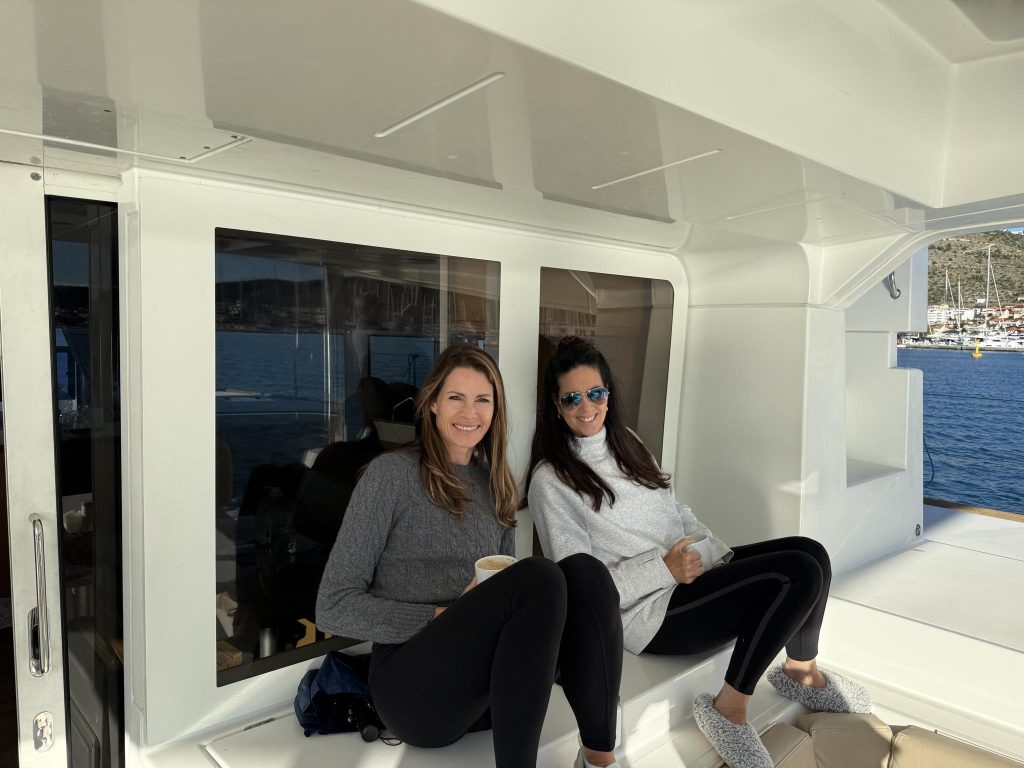
Here’s what happened on this trip: I traded discomfort for once-in-a-lifetime memories and deep deep connection. I swam in the chilly but refreshing Adriatic Sea. I saw things I may never see again.
I had vulnerable conversations and overcame some lies I’ve told myself about who I am and what I can handle.
No one is the same after they do something new. No one is the same after they do something hard. It feels true in your heart, but it’s also neuroscience. When you successfully overcome a stressful experience, your brain begins to adapt. This is called stress inoculation.
The brain changes in response to experience, a process called neuroplasticity. When you go through something hard and adapt, your brain:
-Forms new neural connections
-Strengthens existing circuits that helped you cope
-Prunes away unhelpful or inefficient responses
You’re literally rewiring your brain’s response to difficulty.
Psychologist Albert Bandura coined the term self-efficacy—the belief in your ability to succeed. Each time you face a challenge and overcome it, your self-efficacy increases.
Every time I thought I couldn’t pump another toilet or sleep in a tiny room, I changed my brain. I was transformed in 10 days — into a different spouse, mom, coach, and friend.
I can’t even put a price on that.
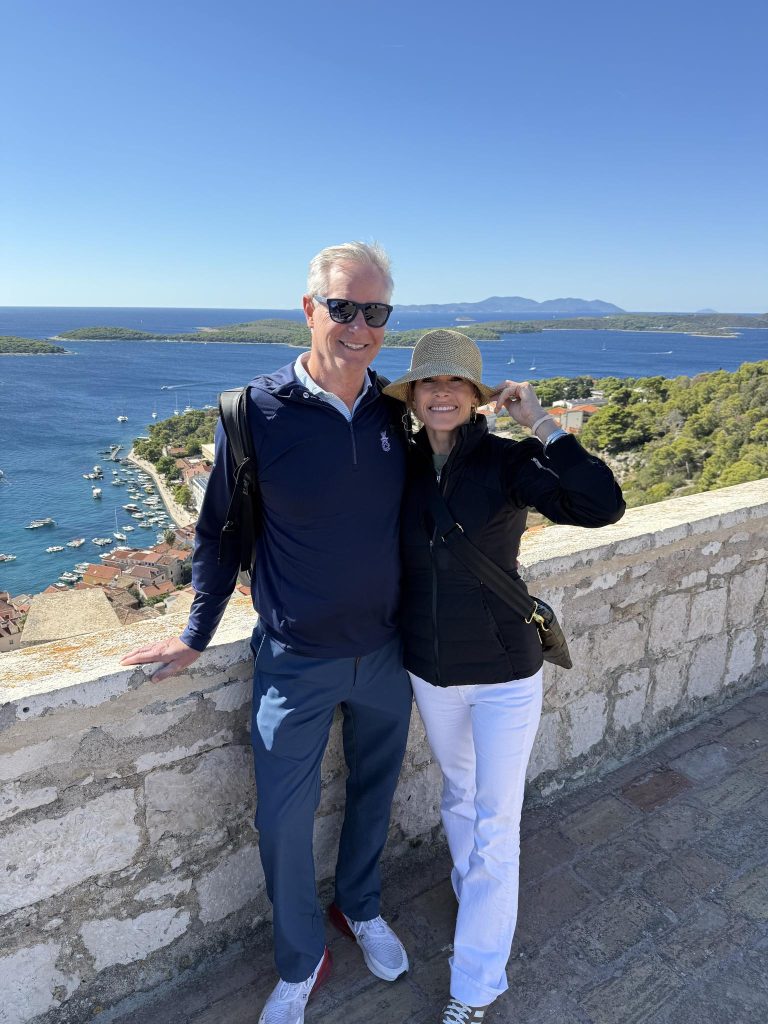
SO. As we wrap up our conversations on comfort zones in our groups, we’re moving into the topic of finishing this year strong. They’re tied together so tightly.
There are big things our souls long to be and do and then there’s the resistance that longs to keep us from stepping into those things.
We get to choose our hard: the discipline of hard, or the regret from choosing to avoid it again and again.
We are on the home stretch of the year.
How do you want to end yours?
What will make you proud of 2025?
Whatever it is, it almost always takes community. So we are here to partner with YOU—with 1-1 coaching, with groups and/or teams.